
By Kathleen Dickey
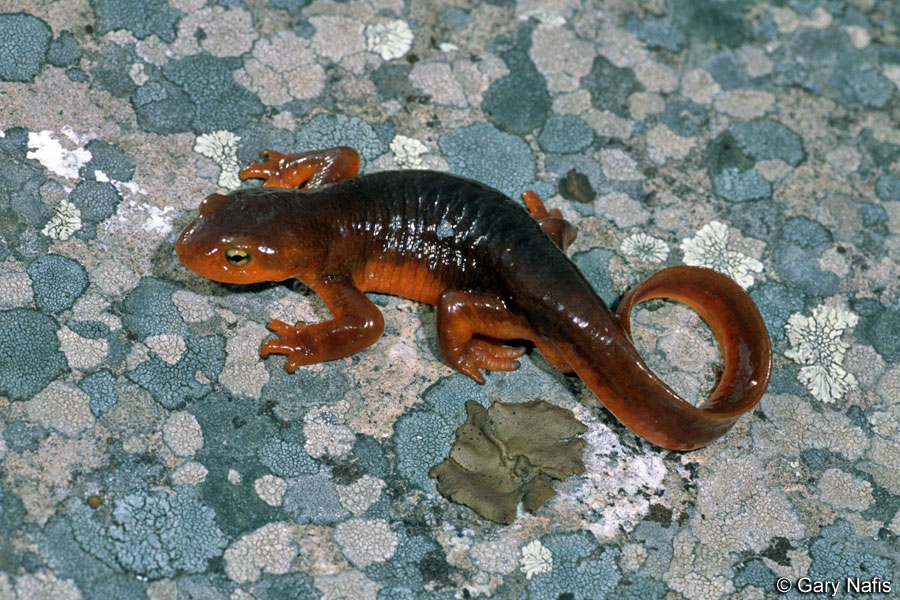
Our handsome California coastal newt, Taricha torosa torosa, lives up to 20 years. It eats insects and worms and is itself eaten by the California garter snake, which is immune to the powerful poison that is in newts‘ skin. Newts have a remarkable homing instinct and have been reported migrating up to 2 miles back to the ponds where they were bred. Once the winter rains start and shallow ponds fill up, newts are on the move.
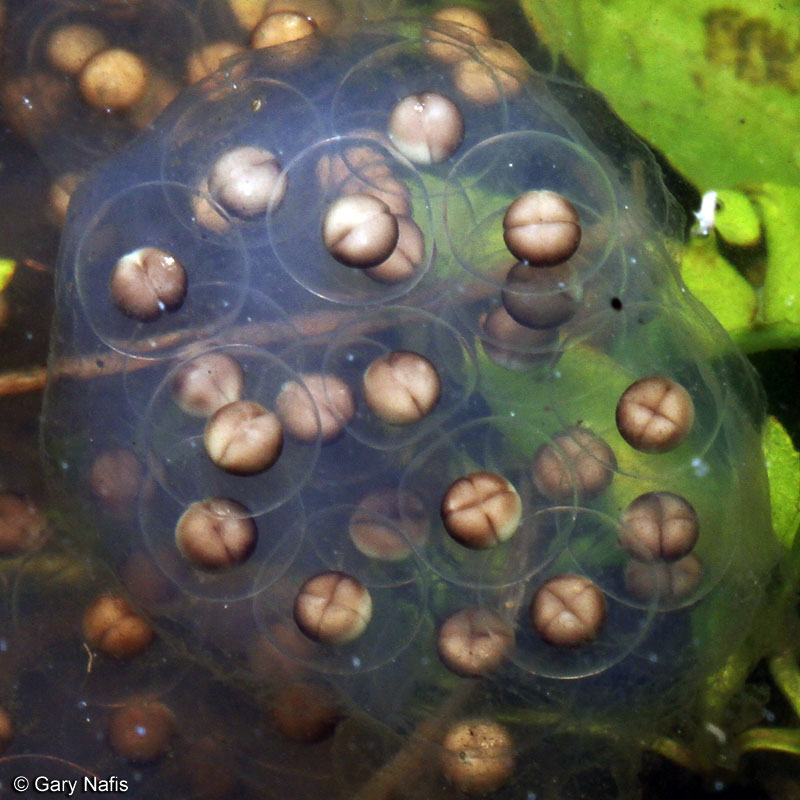
From December to March the female lays masses of up to 50 eggs in shallow ponds. Like other members of the salamander family, newts need water to breed and lay their eggs. In their aquatic phase their skin gets smoother, and their tails flatten in order to swim.
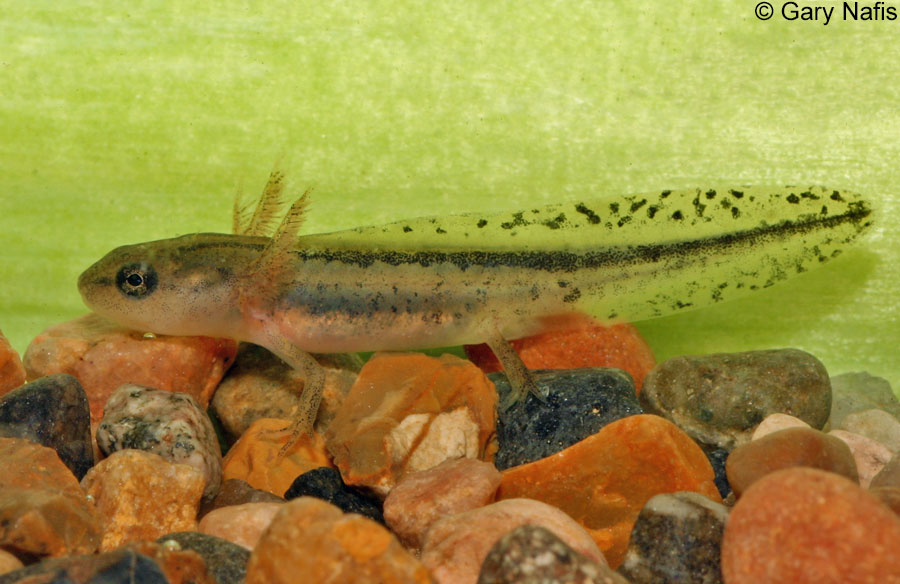
From March to October the larval newt lives in shallow ponds, breathing through gills. The larva metamorphoses into tiny newts, replacing its gills with lungs. Once it is a newt, it can no longer survive submersed in water, but looks for moist places to live in woody leafy crevices.
Other strange and cool facts: apparently, if you listen closely, newts have quite a range of sounds, from clicks to squeaks and whistles.
Newt Photos courtesy of: California Herps
Other resources:
- AmphibiaWeb
- Stebbins, Robert C. A Field Guide to Western Reptiles and Amphibians. 3rd Edition. Houghton Mifflin Company, 2003.